IONICWEBCREATOR
Case Studies
LiveHouse of Velore

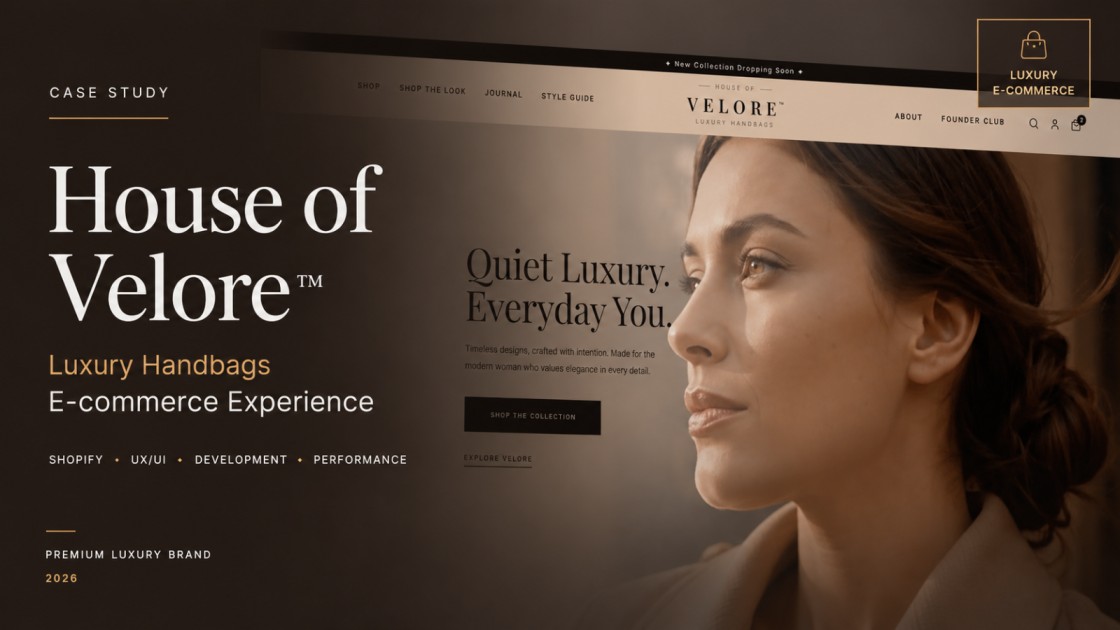
House of Velore

Rebuilding a boutique fashion label's storefront into a fast, accessible commerce experience that scales with the collection.

  • Fashion & Retail
  • 2026
  • 3 min read
House of Velore luxury e-commerce website case study cover.
Overview

Project overview

House of Velore came to us with a beautiful brand trapped inside a slow, template storefront. We rebuilt the commerce experience from the ground up on a headless stack — keeping the considered, editorial feel of the brand while making every page fast on real devices and every product easy for the team to merchandise.

Client
House of Velore
Industry
Fashion & Retail
Category
E-Commerce
Role
Design & engineering
Year
2026
The challenge

The business challenge

The existing storefront looked the part but converted poorly: pages took seconds to become interactive on mobile, the catalogue was painful to update, and the checkout leaked customers at every step. Growth was capped by the platform, not the brand.

Discovery

Discovery & strategy

Where we started before writing code — framing the problem, the constraints, and the plan.

  1. Audited the funnel, not the theme

    We instrumented the live store and found most drop-off happened before the product image even loaded. That reframed the project from a redesign into a performance and architecture problem.

  2. Modelled the catalogue for merchandising

    We worked with the team to model collections, variants, and editorial content the way they actually think about a season — so the CMS mirrors their workflow, not a developer's schema.

  3. Set a performance budget up front

    Before a line of UI, we agreed on hard budgets for LCP and interaction latency on a mid-range phone, and wired them into CI so regressions fail the build.

Architecture

System architecture

A headless commerce architecture: a Next.js storefront rendering on the edge, a typed commerce API in front of the catalogue and orders, and Postgres as the system of record — cached aggressively so the browse stays instant.

  • Client

    Server-rendered storefront with streamed product pages and an accessible, keyboard-complete checkout.

    • Next.js
    • React
    • TypeScript
  • Commerce API

    A typed service fronting catalogue, cart, and orders, so pricing and inventory rules live in one place.

    • Node.js
    • TypeScript
  • Data

    Postgres as the source of truth for products and orders, with read paths cached for instant browsing.

    • PostgreSQL
    • AWS
Decisions

Design decisions

The trade-offs worth explaining — what we chose, and why it was the right call for this build.

  • Headless over a monolithic platform

    Decoupling the storefront from commerce let us hit our performance budget and gave the team a CMS that fits how they merchandise — without fighting a theme system.

  • Edge rendering for the browse path

    Product and collection pages are read-heavy and shareable, so rendering them close to the user made the catalogue feel instant on mobile networks.

  • One-page, progressively enhanced checkout

    A shorter, keyboard-complete checkout that works before JavaScript loads removed the biggest source of funnel drop-off.

Stack

Technology stack

Every layer of the system, and the tools chosen to build it.

Frontend
  • Next.js
  • React
  • TypeScript
Data
  • PostgreSQL
Features

Key features

The parts of the build that carried the most product weight.

  • Editorial collections

    Merchandisers compose seasonal stories with rich media, no developer required.

  • Instant search & filtering

    Faceted search over the catalogue that stays responsive as the collection grows.

  • Frictionless checkout

    A single, accessible checkout with saved details and clear error recovery.

  • Performance budgets in CI

    Core Web Vitals enforced on every pull request so speed never regresses.

Results

The outcome

The rebuilt storefront became fast on the devices customers actually use, and the team can now run a season without engineering support. Browsing feels instant, and the checkout holds onto the customers the old flow was losing.

LCP (mobile)
1.4s
Checkout completion
+38%
Lighthouse
98
Time to publish a collection
−70%
Retrospective

Lessons learned

What the engagement taught us, kept honest rather than tidy.

  1. Performance is a product feature

    Framing speed as a budget with a number made it a shared goal instead of a nice-to-have.

  2. Model the CMS around the team

    The catalogue model that matched how they merchandise paid for itself the first week after launch.

  3. Ship the checkout first

    Validating the highest-leverage path early meant the rest of the build had a proven foundation.

Related

Other work with a similar shape — by industry, stack, or the problem it solves.

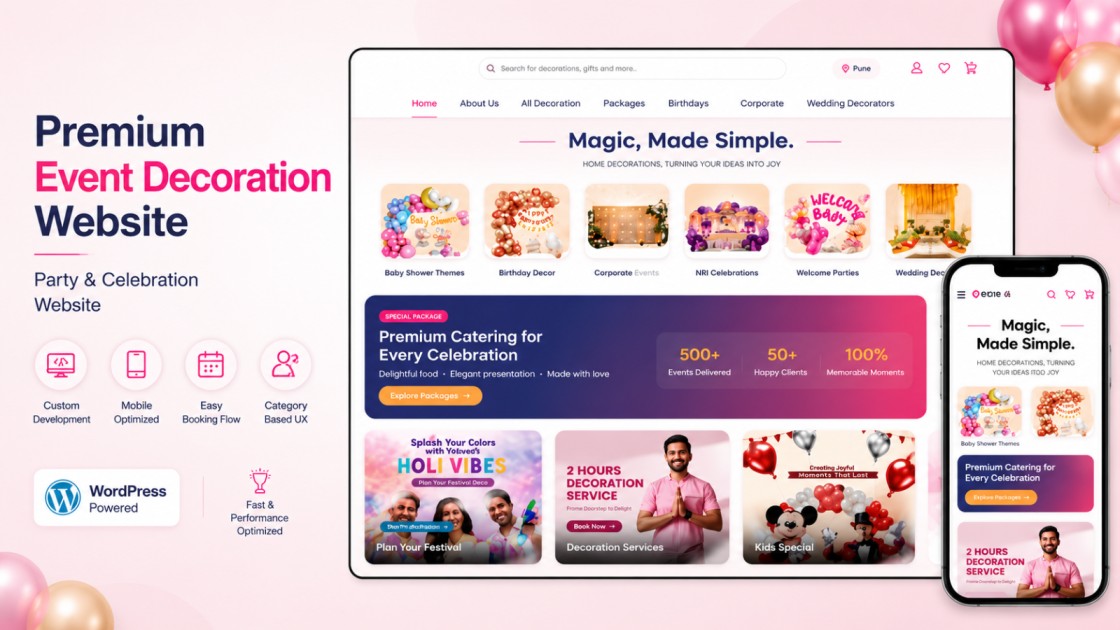
  • Deco4u event decoration website case study preview showcasing a responsive party and celebration booking platform across desktop and mobile with a modern UI, category-based browsing, and online event booking experience.
    DDeco4U
    Live

    Deco4U

    Home & Décor

    We designed and developed Deco4U to create a seamless digital experience for customers looking to book professional decoration services online. From personalized event categories and city selection to responsive browsing and an optimized checkout journey, every touchpoint was crafted to improve engagement and increase booking conversions.

    • Wordpress
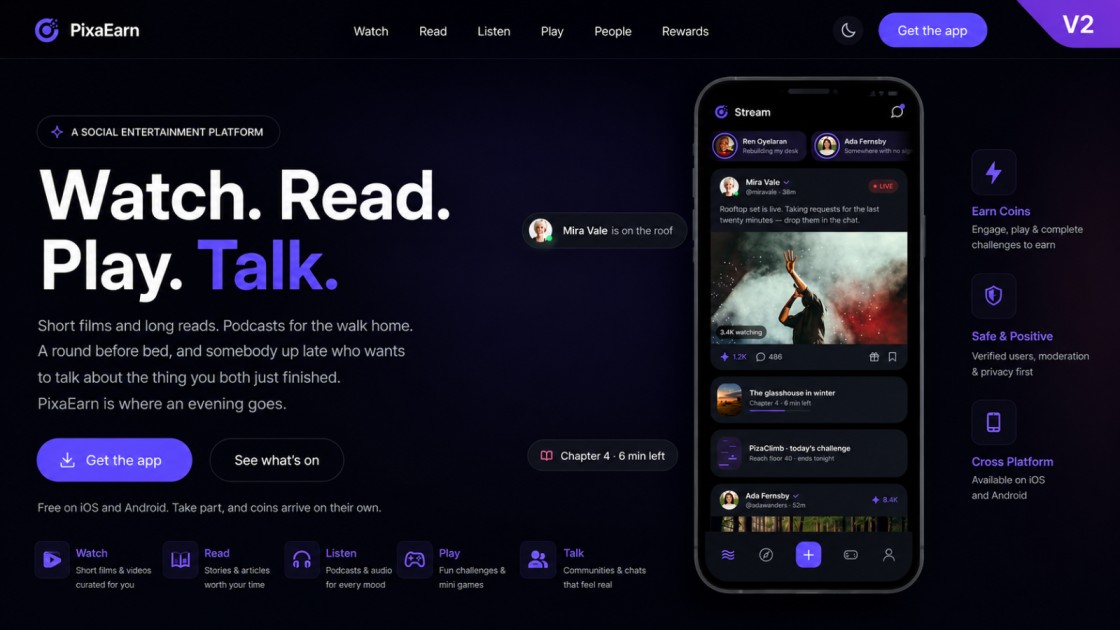
  • PixaEarn social entertainment platform landing page V2 showcasing a modern dark UI with responsive mobile app preview, content discovery, community features, rewards, and cross-platform experience.
    PPixaEarn
    Live

    Pixaearn

    Entertainment

    A modern entertainment social platform that combines short-form content, multiplayer experiences, chat, digital rewards, and a virtual economy to keep users engaged every day.

    • React Native
    • Node.js
    • PostgreSQL
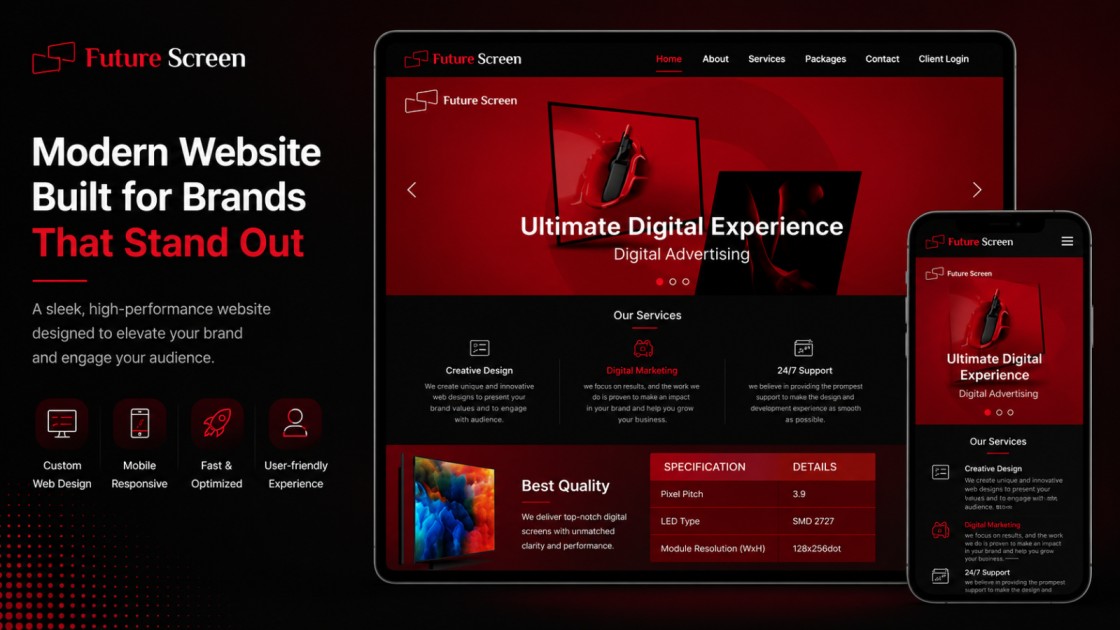
  • Future Screen modern business website case study preview showcasing a responsive corporate website design across desktop and mobile with a bold red and black user interface.
    FSFuture Screen
    Live

    Future Screen

    Digital Media

    A responsive business website built for Future Screen to showcase premium LED display advertising services in Siliguri. The platform highlights advertising opportunities, pricing, screen specifications, and campaign benefits while providing businesses with a simple way to inquire and launch digital advertising campaigns.

    • HTML5
    • CSS3
    • AJAX
    • PHP
    • MySQL
    • phpMyAdmin
    • Apache
    • cPanel
    • Git

Have a problem worth solving well?

If the thinking above matches the standard you're after, tell us what you're building. We'll be honest about fit and outline a concrete first step.